
Before a business accepts credit cards, debit cards, online payments, mobile payments, invoices, or recurring billing, it should understand the documents that control how those payments are processed. Merchant service contracts affect far more than the rate shown in a sales quote. They influence how quickly funds reach the business,...
Benefits of Transparent Merchant Pricing
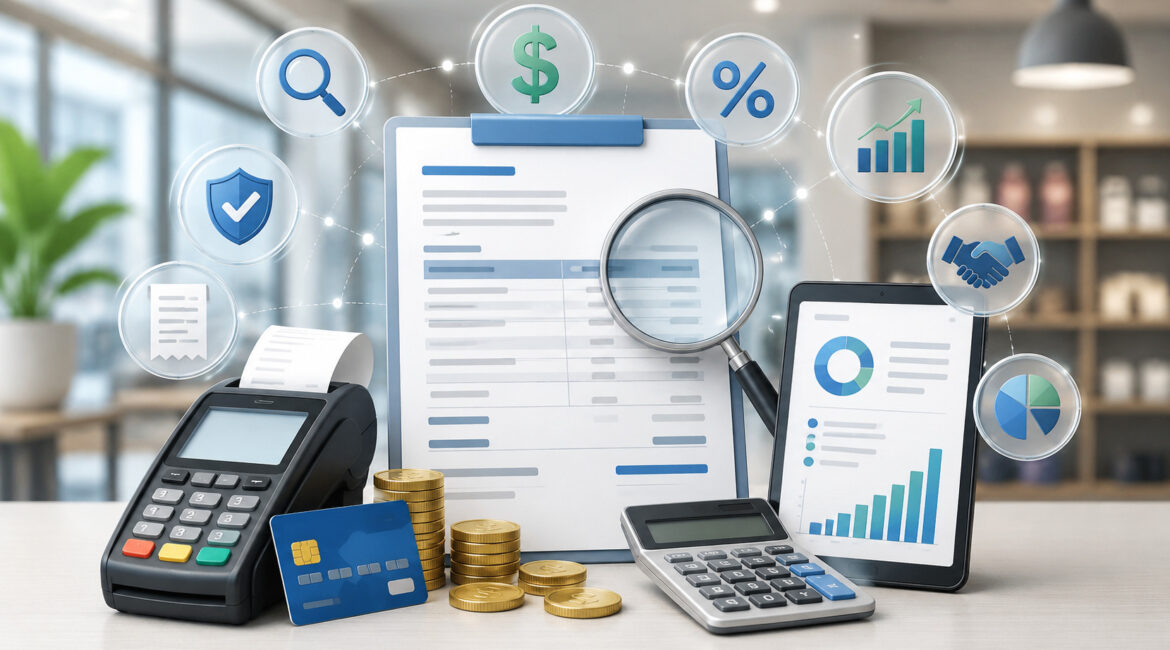
Accepting card payments is now part of everyday business operations. Whether a customer taps a card at checkout, pays an invoice online, signs up for recurring billing, completes an eCommerce order, or uses a mobile payment link, every transaction comes with a cost. The challenge is that many businesses do...
How Businesses Get Approved for Merchant Accounts

Getting approved for merchant accounts is one of the most important steps for businesses that want to accept credit cards, debit cards, online payments, mobile payments, invoices, and recurring payments. A merchant account gives a business the ability to receive card-based payments through a processor, payment gateway, point-of-sale system, virtual...
Merchant Services Pricing Models Explained: A Practical, Updated Guide for 2026
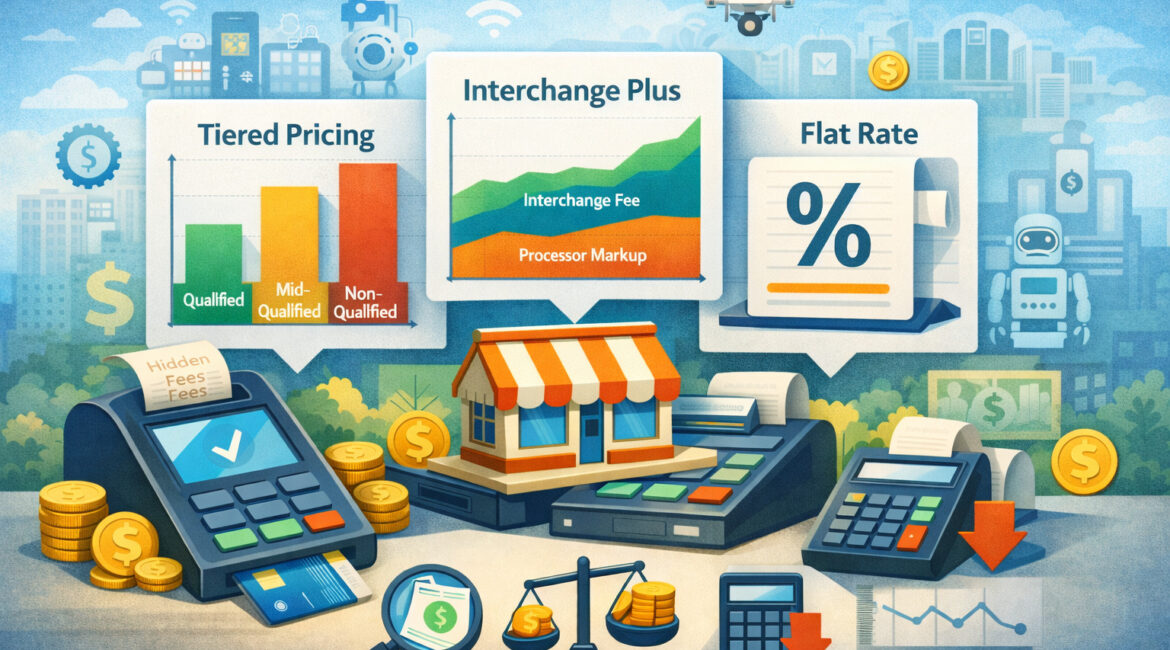
Merchant services pricing models determine how much you pay to accept card and digital payments—and why your monthly statement can feel confusing. The best way to lower cost isn’t chasing the lowest “rate.” It’s choosing a merchant services pricing model that matches your business type, ticket size, card mix, and...
How Lowest-Rate Merchant Services Actually Work
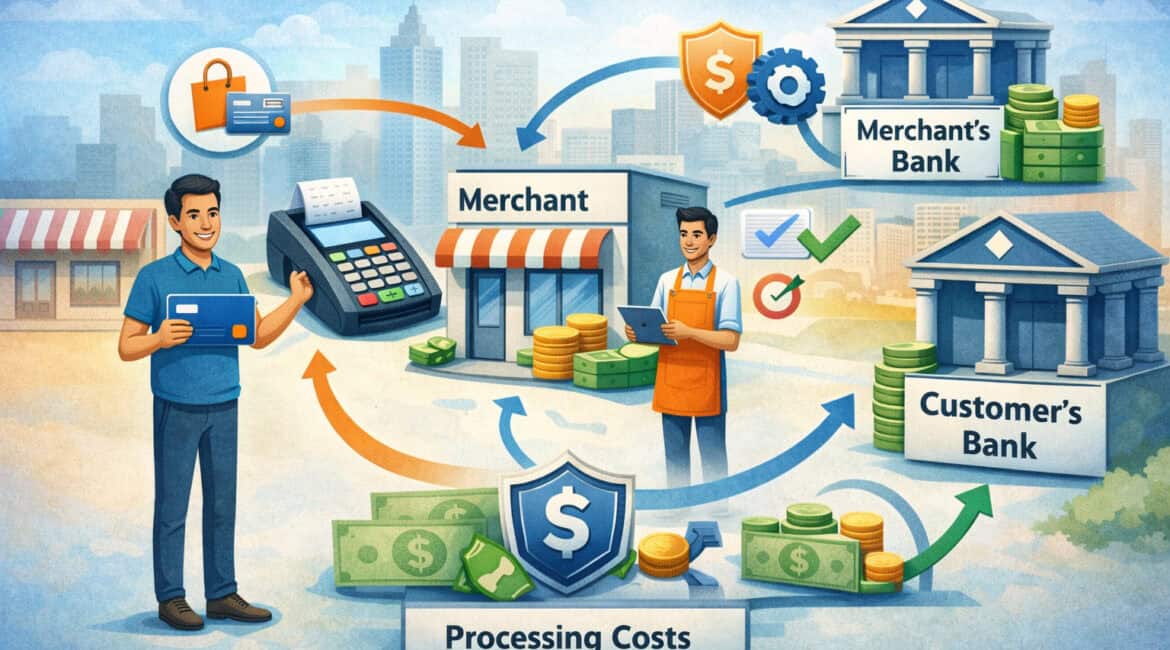
“Lowest-rate merchant services” sounds simple: you pay the least to accept card payments, keep more profit, and move on. In real life, “lowest-rate merchant services” is a pricing claim, not a pricing structure—and the difference matters. The card ecosystem has built-in costs (like interchange and network assessments) that most providers...