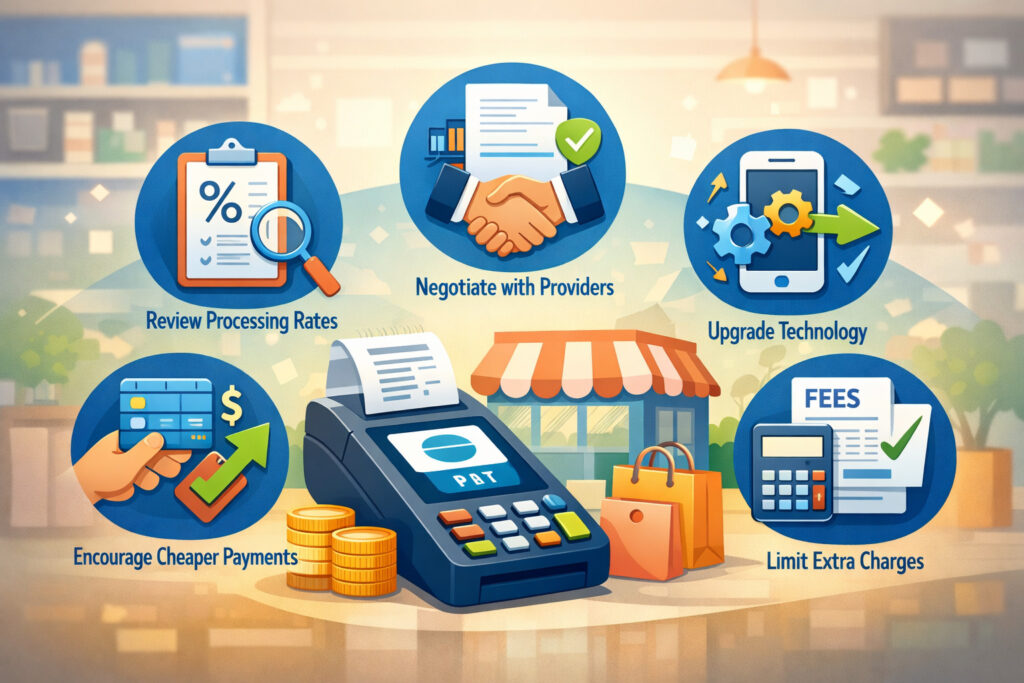
Getting the lowest credit card processing fees is less about chasing a magical “one-size-fits-all” rate and more about understanding what you’re really paying for—then controlling the parts you can control. Most businesses focus on the quoted rate, but the biggest savings usually come from improving transaction quality, choosing the right...
Understanding the True Cost of Accepting Cards
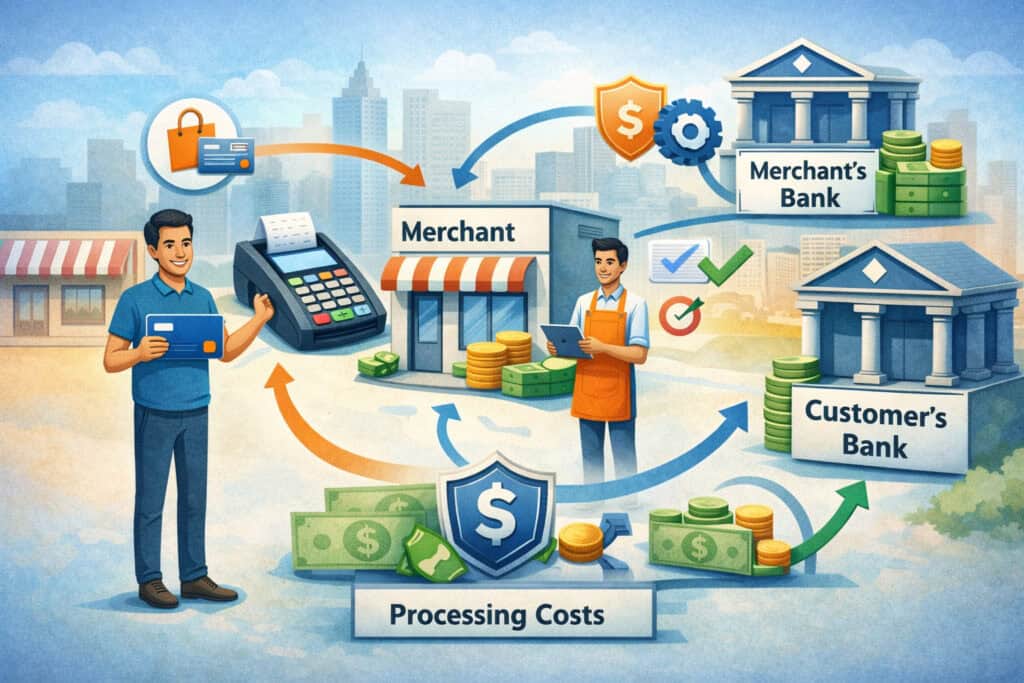
If you run a business that takes card payments, you’ve probably been quoted a “rate” that sounds simple—maybe a percentage plus a small per-transaction fee. But the true cost of accepting credit cards is broader than a single number, and the gap between the quote and the real bill is...
Merchant Services Pricing Models Explained: A Practical, Updated Guide for 2026
Merchant services pricing models determine how much you pay to accept card and digital payments—and why your monthly statement can feel confusing. The best way to lower cost isn’t chasing the lowest “rate.” It’s choosing a merchant services pricing model that matches your business type, ticket size, card mix, and...
How Lowest-Rate Merchant Services Actually Work
“Lowest-rate merchant services” sounds simple: you pay the least to accept card payments, keep more profit, and move on. In real life, “lowest-rate merchant services” is a pricing claim, not a pricing structure—and the difference matters. The card ecosystem has built-in costs (like interchange and network assessments) that most providers...
Cheapest Card Transaction Fees: What’s Realistic?
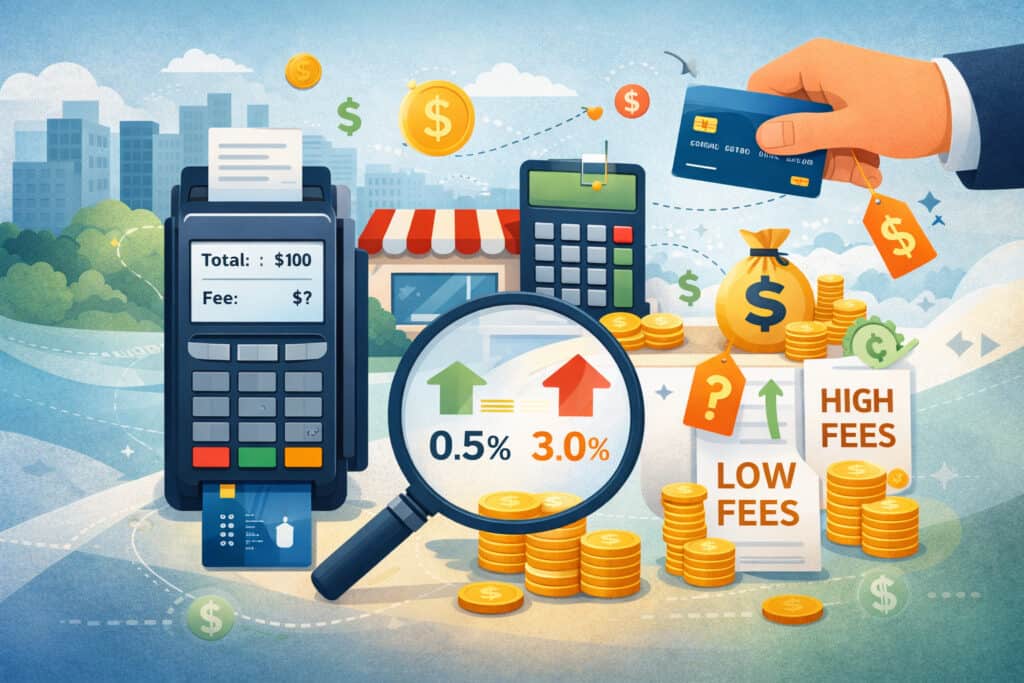
If you search for the “cheapest card transaction fees,” you’ll quickly see ads promising unbelievably low rates—sometimes “0% processing” or “1.29% flat.” In real life, the cheapest card transaction fees are constrained by a few costs you can’t negotiate away: interchange (set by issuers/network programs), network assessments, and the processor’s...