
By Jodie Dobson March 11, 2026
Accepting digital payments has become essential for businesses across almost every industry. Customers today expect the ability to pay with credit cards, debit cards, mobile wallets, or online payment platforms. Whether a business operates in retail, hospitality, professional services, or ecommerce, the ability to accept modern payment methods directly affects customer satisfaction and sales opportunities.
However, selecting the right payment processing solution is not always straightforward. The payment industry includes many providers offering different pricing models, technologies, and service structures. Some solutions focus on simplicity and quick setup, while others provide more advanced capabilities designed for growing businesses. Without careful evaluation, businesses may end up paying higher fees or using systems that do not support their operational needs.
Choosing the right payment processing solution requires understanding how payment systems work and identifying the features that matter most for your business model. Factors such as transaction fees, payment security, system compatibility, and customer support all play important roles. By evaluating these elements carefully, businesses can select a payment processing provider that supports both daily operations and long term growth.
Understanding How Payment Processing Works
Before choosing a payment processing solution, it is important to understand the basic flow of a card transaction. When a customer pays using a credit or debit card, several entities participate in completing the payment.
The transaction begins when the customer inserts, taps, or swipes their card using a payment terminal or online checkout system. The payment processor then sends the transaction details through the card network to the issuing bank that provided the customer’s card.
The issuing bank verifies the transaction and either approves or declines the payment. If approved, the funds are transferred through the payment network and deposited into the merchant’s account after settlement.
Each step in this process involves technology providers and financial institutions that charge fees for their services. Payment processors serve as the central connection between merchants and these networks, enabling businesses to accept card payments efficiently.
Understanding this process helps businesses evaluate payment processing solutions more effectively. By knowing how transactions move through the payment system, merchants can better understand the services and costs associated with payment acceptance.
Evaluating Transaction Fees and Pricing Models

Transaction fees are one of the most important considerations when selecting a payment processing solution. These fees typically consist of interchange fees, card network assessments, and the processor’s markup.
Different providers offer different pricing models. Flat rate pricing is one of the most common structures, charging a fixed percentage for each transaction regardless of card type. This model is simple and predictable but may not always offer the lowest possible rates for businesses with large transaction volumes.
Another pricing model is interchange plus pricing, which separates the interchange cost from the processor’s markup. This structure provides more transparency and may offer lower rates for businesses processing a high number of transactions.
Tiered pricing is also used by some processors, grouping transactions into categories with different fee levels. While this model can sometimes reduce costs, it may also make it more difficult to understand exactly how fees are calculated.
Businesses should carefully review pricing structures before selecting a provider. Understanding the total cost of payment acceptance helps ensure that the chosen solution aligns with the company’s financial goals.
Considering Payment Methods and Customer Preferences
A good payment processing solution should support multiple payment methods to accommodate different customer preferences. While traditional credit and debit cards remain common, many customers now expect businesses to accept additional forms of payment.
Mobile wallet payments have become increasingly popular in recent years. Services such as Apple Pay, Google Pay, and other digital wallet platforms allow customers to complete transactions quickly using smartphones or wearable devices.
Online payments are another essential feature for businesses that sell products or services through websites. Ecommerce payment gateways allow customers to complete purchases securely while integrating with inventory and order management systems.
Contactless payments are also growing in popularity, particularly in retail and hospitality environments. These transactions allow customers to tap their cards or devices on a payment terminal for fast and convenient checkout.
By choosing a payment processing solution that supports multiple payment methods, businesses can improve the customer experience while ensuring flexibility as payment trends continue evolving.
Integrating Payment Systems With Business Operations
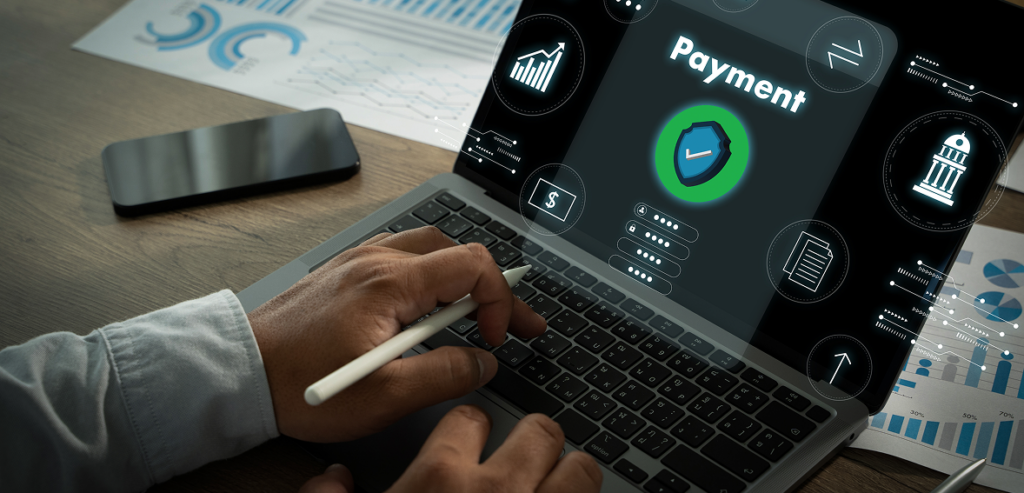
Modern payment processing solutions often integrate with other business systems such as point of sale platforms, accounting software, and inventory management tools. Integration helps streamline operations and reduce manual work.
For example, a retail business using a point of sale system connected to its payment processor can automatically update inventory levels when transactions occur. This reduces the need for manual data entry and helps maintain accurate stock records.
Similarly, integrating payment processing with accounting software allows businesses to track revenue and transaction fees more easily. Automated reporting features provide valuable financial insights and support better decision making.
Businesses operating online stores may also require integration with ecommerce platforms. Payment gateways that connect directly with online storefronts simplify checkout experiences and ensure that transaction data flows smoothly between systems.
When evaluating payment processing solutions, businesses should consider how well the system integrates with their existing operational tools. Seamless integration improves efficiency and reduces administrative complexity.
Payment Security and Compliance Requirements
Security is a critical component of any payment processing solution. Businesses handling card payments must follow strict security standards designed to protect sensitive financial information.
Payment Card Industry Data Security Standard compliance is one of the most important security frameworks in the payment industry. These guidelines help ensure that businesses and payment processors handle cardholder data responsibly.
Secure payment systems use encryption technologies that protect card information during transmission. Tokenization techniques may also replace sensitive data with unique identifiers, reducing the risk of data breaches.
Businesses should choose payment processors that prioritize strong security practices and maintain compliance with industry regulations. Reliable providers typically offer tools and guidance that help merchants meet security requirements without adding unnecessary complexity.
Maintaining secure payment systems not only protects customer data but also builds trust between businesses and their customers.
Evaluating Payment Hardware and Technology
The hardware used for processing payments plays an important role in transaction efficiency and customer experience. Businesses should select payment processing solutions that support modern and reliable equipment.
Card readers and payment terminals should support chip enabled cards and contactless transactions. These technologies improve security and allow customers to complete payments quickly.
Mobile payment devices are particularly useful for businesses operating in flexible environments such as food trucks, delivery services, or pop up retail locations. Portable card readers connect to smartphones or tablets and allow businesses to process transactions anywhere.
Some payment processors also offer integrated point of sale systems that combine payment processing with inventory management, sales reporting, and employee tracking features.
Choosing reliable payment hardware ensures that transactions occur smoothly while providing customers with a convenient and secure checkout experience.
Customer Support and Service Reliability
Customer support is another essential factor when selecting a payment processing provider. Payment systems operate continuously, and any disruptions can directly affect a business’s ability to accept payments.
Reliable payment processors offer responsive support teams that can assist merchants with technical issues, account management questions, and transaction disputes. Businesses should look for providers that offer accessible support channels such as phone, email, or live chat.
Service reliability is equally important. Payment processing platforms should maintain high uptime levels to ensure that transactions can be completed without interruptions.
Some providers also offer monitoring tools and alerts that notify merchants if system issues occur. These features help businesses respond quickly to potential disruptions and maintain smooth payment operations.
A payment processing partner with strong support and reliable infrastructure can help businesses avoid costly downtime and maintain customer trust.
Scalability for Growing Businesses
As businesses grow, their payment processing needs may change. A payment solution that works well for a small startup may not be sufficient for a company experiencing rapid expansion.
Scalable payment processing systems support increasing transaction volumes and additional payment channels without requiring significant infrastructure changes. Businesses that plan to expand into ecommerce, subscription services, or multiple retail locations should consider solutions that support these capabilities.
Advanced payment platforms may offer features such as recurring billing, multi location reporting, and international payment acceptance. These tools help businesses manage growth while maintaining consistent payment experiences across different sales channels.
Choosing a scalable payment processing solution ensures that businesses can adapt to future growth without needing to replace their payment systems.
Avoiding Common Payment Processing Pitfalls
Many businesses encounter challenges when selecting payment processors due to incomplete information or unclear pricing structures. Avoiding common mistakes can help businesses choose more effective payment solutions.
One frequent issue involves focusing only on advertised transaction rates without reviewing additional fees. Monthly service charges, gateway fees, and equipment costs may increase the overall expense of payment processing.
Another common mistake is signing long term contracts without understanding termination policies. Businesses should review agreement terms carefully and ensure they have flexibility if their needs change.
Ignoring integration capabilities can also create operational difficulties. Payment systems that do not connect with existing business tools may require manual data entry and increase administrative workload.
By conducting thorough research and comparing multiple providers, businesses can avoid these pitfalls and select payment processing solutions that support their long term success.
Conclusion
Choosing the right payment processing solution is an important decision for any business that accepts digital payments. The right system not only enables secure transactions but also supports operational efficiency, customer satisfaction, and financial stability.
Businesses should evaluate several factors when selecting a payment processing provider. Transaction fees, payment methods, system integration, security standards, and customer support all play critical roles in determining the value of a payment solution.
Modern payment technologies offer businesses many opportunities to improve payment efficiency while meeting evolving customer expectations. From mobile wallets to contactless payments and integrated point of sale systems, payment platforms continue evolving to support new business models.
By carefully evaluating available options and selecting a provider that aligns with their operational needs, businesses can build a reliable payment infrastructure that supports long term growth and success.